How to Start an Art Collection- A Beginner's Guide for Aspiring Collectors
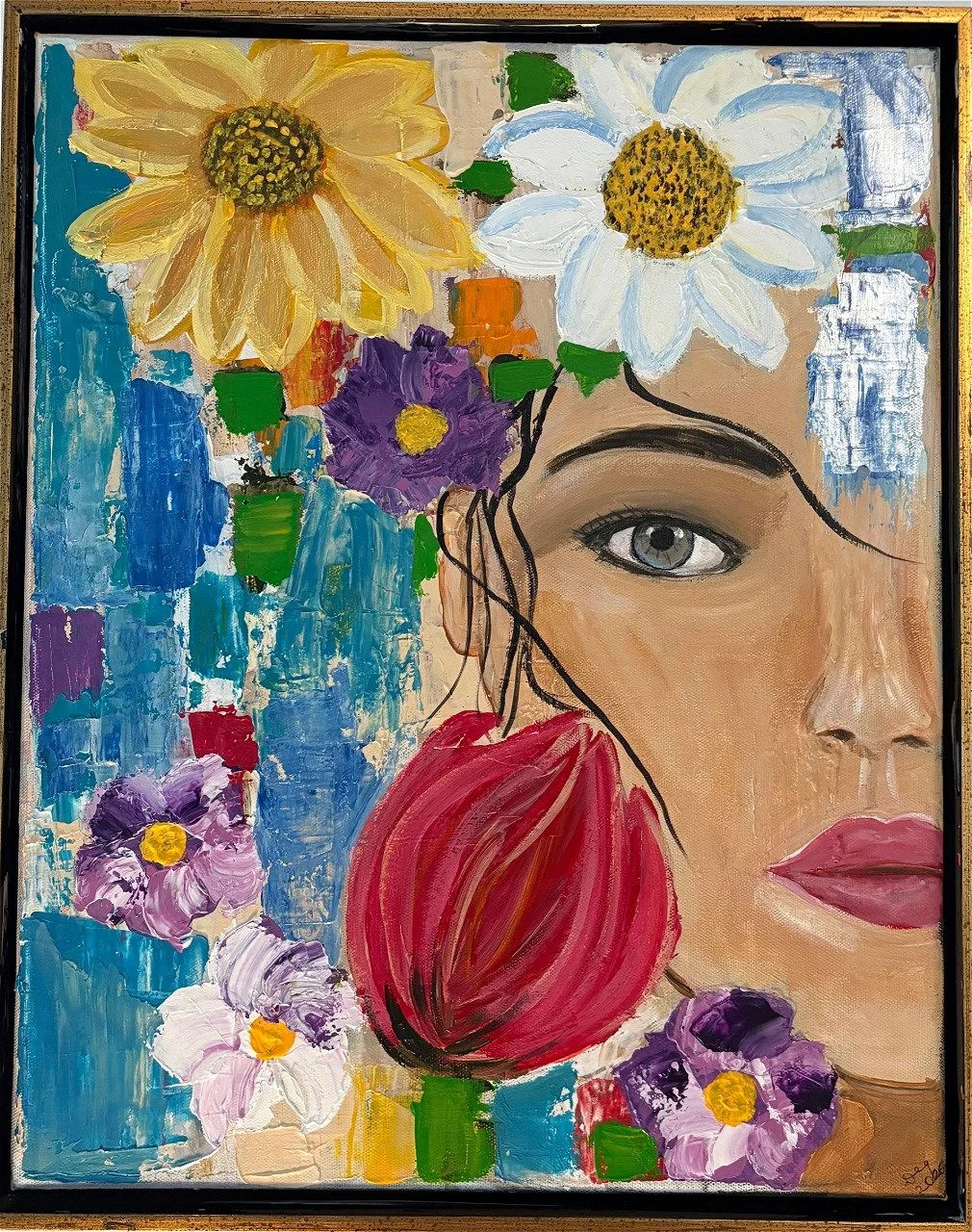
Starting an art collection can feel overwhelming — but it doesn't have to be. Whether you're drawn to bold contemporary paintings, intimate sculptures, or digital works, building a collection is one of the most personal and rewarding journeys you'll ever take. Here's how to begin.
Why collect art?
Collecting art is rarely about investment alone. The most meaningful collections are built around genuine curiosity and emotional connection. Art transforms spaces, sparks conversations, and keeps you in dialogue with culture. That said, acquiring work from emerging artists early in their careers can also be financially rewarding over time — a happy consequence of collecting with intention.
Before you spend a single penny, ask yourself: What do I respond to visually? What themes or emotions move me? Your answers will shape every decision that follows.
Step 1: Educate yourself by visiting galleries and exhibitions
The single best thing you can do before buying any artwork is to look — a lot. Visit as many contemporary art galleries and exhibitions as you can. Look online, attend openings, and browse art fairs. Train your eye to distinguish between work that simply looks attractive and work that genuinely holds your attention over time.
Contemporary art exhibitions offer a live, unfiltered experience that no image on a screen can replicate. Being in the physical presence of a work tells you things — scale, texture, surface, presence — that photographs cannot.
Collector's tip
Follow artists on social media and sign up for gallery newsletters. Many emerging artists sell directly or through gallery platforms, giving you early access to new works before they're widely exhibited.
Step 2: Start within your means
One of the most common misconceptions about art collecting is that it requires enormous wealth. In reality, most serious collectors started small — with prints, drawings, or works on paper. Art on paper is often more affordable, yet can be just as expressive and significant as large-scale paintings.
Set a realistic budget for your first purchase and stick to it. There is always extraordinary work available at every price point. What matters more than the sum you spend is the intention behind the purchase.
Step 3: Focus on emerging artists
Emerging artists represent one of the most exciting — and accessible — entry points for new collectors. These are artists in the early stages of their careers, often exhibiting in smaller galleries and artist-run spaces, whose prices reflect their stage of development rather than an inflated market value.
Collecting emerging talent also means participating in an artist's journey. Many long-term collectors speak of the relationships they've built with artists over years as the most enriching aspect of collecting. You're not just acquiring an object; you're investing in a person's creative life.
Step 4: Buy what you love, not what you're told is important
The art market is full of opinion. Critics, curators, dealers, and fellow collectors will all tell you what's significant, what's undervalued, and what you should be buying. Listen thoughtfully — but ultimately, only acquire work that resonates deeply with you.
A collection built around genuine feeling rather than market speculation will always be more satisfying to live with. Art hangs on your wall every day; make sure it earns its place on your terms.
Step 5: Build relationships with galleries you trust
Art galleries are more than retail spaces. The best galleries act as trusted advisors, helping collectors understand an artist's practice, place work in context, and make informed decisions. A gallery that takes time to explain provenance, exhibition history, and the artist's trajectory is one worth returning to.
Developing ongoing relationships with one or two galleries that share your taste will do more for your collection than browsing indiscriminately. They'll alert you to new works, invite you to previews, and help you build coherence across your collection over time.
Frequently Asked Questions
How much should I spend on my first piece of art?
There's no minimum. Many collectors start with prints or works on paper under $500. What matters is that you buy intentionally — choose something that genuinely moves you, whatever your budget.
How do I know if an artwork is a good investment?
No one can predict the art market with certainty. Rather than focusing purely on financial returns, look for artists with strong exhibition records, gallery representation, and critical attention. Collecting for love first is usually the wisest long-term strategy.
What is the difference between contemporary art and modern art?
Modern art generally refers to work made between the 1860s and the 1970s, while contemporary art refers to work made from the 1970s to the present. Most galleries today focus on contemporary art by living artists.
How do I find emerging artists worth collecting?
Visit graduate shows, follow artist-run spaces and smaller galleries, and attend art fairs. Many galleries — including Kiart Gallery — specialise in introducing collectors to emerging voices before they gain wide market recognition.
Should I get a certificate of authenticity when buying art?
Yes, always. Any reputable gallery or artist will provide documentation of provenance and authenticity. This protects both the value and the integrity of your collection.