Why You Should Buy an Original Abstract Painting — And How to Choose the Right One
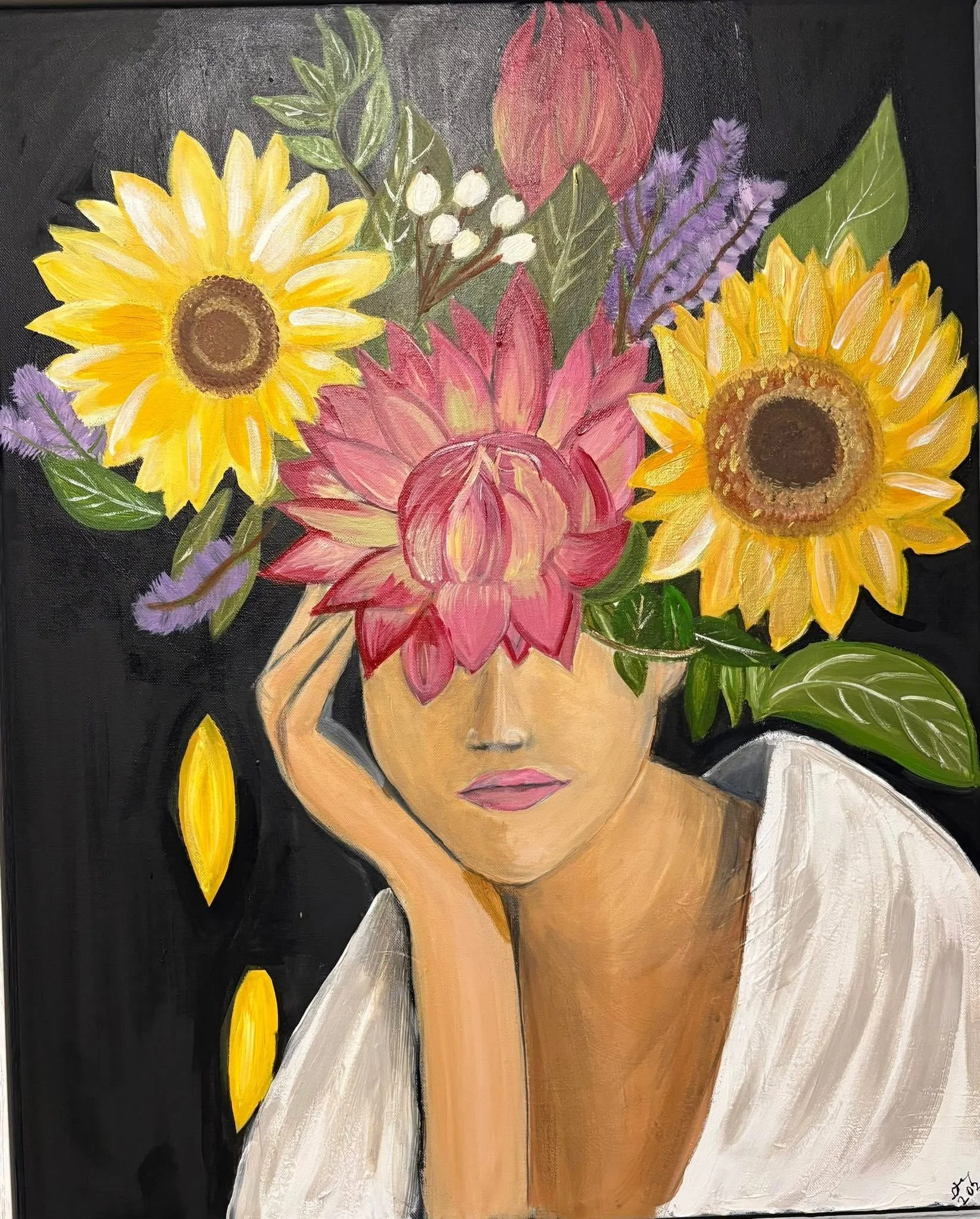
Abstract paintings divide people. Some are drawn to them immediately — compelled by colour, movement, and a feeling they can't quite name. Others find them puzzling, unsure of what they're "supposed to see." If you've ever been curious about buying an original abstract painting but weren't sure where to start, this guide is for you.
Abstract art doesn't represent the physical world the way a landscape or portrait does. Instead, it communicates through the direct language of colour, form, texture, and line — without the need for a recognisable subject. That's not a limitation. It's a liberation.
Because abstract painting isn't anchored to a literal subject, it speaks differently to different people. Two viewers standing before the same work can have entirely different emotional responses — and both can be completely valid. This openness is one of the reasons abstract art integrates so naturally into homes: it adapts to the viewer, not the other way around.
When you buy original abstract paintings, you're not just purchasing a decorative object. You're acquiring something that will continue to reveal itself over time — catching different light, stirring different moods, meaning something slightly different on the day you're joyful than on the day you're reflective.
Original vs. print: why it matters most with abstract art
With abstract art in particular, the difference between an original and a printed reproduction is dramatic. The whole point of abstraction — the gesture of the brush, the thickness of the paint, the spontaneous decision to drag a palette knife across wet acrylic — lives entirely in the original. A print flattens all of that into a surface with no memory of how it was made.
An original abstract painting carries physical evidence of its own creation. You can see where the artist paused, where they pushed harder, where they changed direction. That history — embedded in the texture of the canvas — is something no reproduction can capture. When you buy an original, you buy the entire story of how it came to be.
How to choose the right abstract painting for your space
The most common mistake buyers make with abstract art is trying to "match" a painting to a room as if it were a cushion or a rug. Abstract art works best when it's given room to lead — to set the emotional tone of a space rather than simply echo it.
Colour is everything. In abstract painting, palette carries mood more directly than in any other art form. Warm ochres, burnt oranges, and deep reds create energy and intimacy — ideal for living rooms and dining areas. Cooler blues, greens, and silver-greys bring calm and focus, working beautifully in bedrooms and home offices.
Scale matters as much as style. A large, bold abstract anchors a room and becomes its visual centrepiece. A smaller, more intimate work invites close, quiet looking — better suited to a study, reading nook, or hallway where you'll encounter it one at a time rather than from across a room.
Let the work surprise you. If you're drawn to a painting you can't immediately explain, that's usually a good sign. The pieces that compel you without obvious reason tend to be the ones that hold your attention the longest.
Abstract art across different styles at KI Art Gallery
Abstract art isn't a single style — it's a vast territory. At KI Art Gallery, you'll find abstract qualities expressed across several distinct collections, each with its own character and mood.
The abstract figurative works blend human form with expressive, non-literal colour and line — paintings that feel both personal and painterly, rooted in emotion rather than strict representation. These tend to work beautifully in homes where art is meant to feel warm and human.
For those drawn to abstraction with a sense of place — where landscape and mood blur into one — the landscape art collection offers works where the natural world is felt rather than literally depicted. Meanwhile, the still life paintings explore the abstract potential of everyday subjects through bold colour and expressive mark-making.
Buying abstract art from an emerging Australian artist
KI Art Gallery represents the work of Tania Thenabadu — an emerging Australian artist based on the Gold Coast, whose paintings draw on years of living across Europe, Asia, and the United States. That breadth of cultural experience gives her abstract work a visual vocabulary that feels genuinely international and inspired by different cultures.
Tania has been accepted into the highly competitive Château d'Orquevaux Artists in Residency program in France and was awarded the Denis Diderot grant — recognition that places her work in serious international context. To understand the thinking and personal history behind each piece, explore the artist behind the work.
Buying from an emerging artist at this stage of their career means acquiring work before wider recognition drives prices higher — and, more importantly, it means becoming part of a creative journey that's still unfolding. To hear from those who have already made that decision, read what our collectors say.
Frequently Asked Questions
-
Look for clear provenance — the artist's name, medium, dimensions, and year of creation. Close-up photography showing texture and brushwork is a strong indicator of a reputable gallery. Most importantly, choose a work that holds your attention even when you can't immediately explain why.
-
An original painting will have visible texture from the paint medium — brushstrokes, palette knife marks, or layering that catches light differently across the surface. A print will be uniformly flat. Any reputable gallery should clearly state whether a work is an original or a reproduction in the listing.
-
Yes. Emerging artists — particularly those earlier in their careers — offer original, gallery-quality abstract paintings at far more accessible prices than established names. KI Art Gallery's collection includes original acrylic works at a range of price points without compromising on quality or artistic intent.
-
Hang abstract art at eye level — centre the work at approximately 145–150cm from the floor. For large feature pieces above furniture, ensure the bottom of the frame sits 20–30cm above the furniture line. Abstract paintings often benefit from being the sole focus of a wall rather than grouped with other works.
-
Buying original work from emerging artists can appreciate significantly as their careers develop. But the best reason to invest in abstract art is the daily value it adds to your home — a painting that changes with the light and mood of a room is worth far more than the price you paid for it.